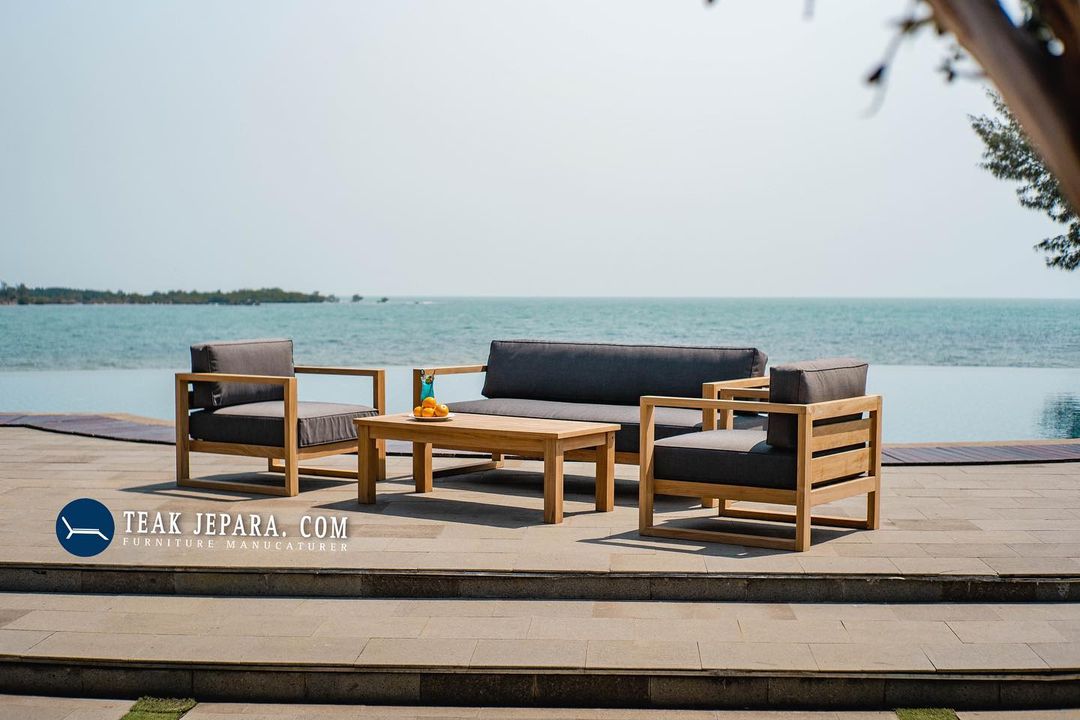
Teak Wood: The Gold Standard for Weather-Resistant Outdoor Furniture
Creating an inviting outdoor living space is about more than just adding chairs and tables; it's about extending your home's comfort and style into nature. For those who envision a sanctuary for relaxation, entertainment, and cherished memories, the choice of furniture material is paramount. Amidst a sea of options, one material consistently rises above the rest, earning its esteemed reputation as the 'gold standard': teak wood. When it comes to investing in premium teak garden furniture, you’re not just buying a product; you’re acquiring a legacy of unparalleled durability, timeless beauty, and minimal fuss.
Unlike other outdoor materials that succumb to the harsh realities of changing seasons, teak wood stands firm, retaining its integrity and elegance year after year. This remarkable resistance to the elements makes it the ultimate choice for discerning homeowners seeking both luxury and longevity for their patios, gardens, and backyards. It’s an investment that truly pays dividends in enduring style and performance, proving its value across sun-drenched summers, torrential autumns, and frosty winters.
Why Teak Wood Stands Unrivaled for Outdoor Durability
What makes teak wood so exceptional for outdoor furniture? The answer lies deep within its unique natural composition. Teak (Tectona grandis) is a dense, close-grained hardwood renowned for a suite of inherent properties that equip it perfectly for the rigors of outdoor life. These characteristics collectively make teak garden furniture virtually impervious to the common foes of other wood types:
- Natural Oils: Teak wood is rich in natural oils and rubber compounds that act as an internal waterproofing agent. These oils are not superficial; they are ingrained within the wood fibers, creating a barrier that repels water, preventing moisture absorption and subsequent warping, cracking, or swelling. This is a stark contrast to other woods that often require frequent sealing and treatment to achieve even a fraction of teak's natural resistance.
- High Silica Content: One of teak's lesser-known but crucial attributes is its high silica content. This natural mineral provides an exceptional level of resistance to rot, decay, and insect infestations. Pests like termites find teak unpalatable and difficult to bore into, leaving your furniture unharmed for decades. Furthermore, the silica contributes to teak's remarkable strength and stability, ensuring your furniture remains structurally sound through temperature fluctuations and humidity changes.
- Exceptional Density and Strength: Teak is a heavy, dense wood, which contributes to its incredible durability and stability. This density means it can withstand significant wear and tear, including daily use, minor impacts, and exposure to strong winds, without showing signs of stress. This inherent robustness is why a well-cared-for piece of teak furniture can easily last over 50 years, often becoming a cherished heirloom.
- Resistance to Environmental Stressors: From intense UV rays that fade and degrade other materials, to prolonged periods of rain, snow, or even saltwater exposure in coastal environments, teak wood demonstrates unparalleled resilience. It simply won't warp, split, or rot, making it a truly 'set it and forget it' solution for any climate.
The Enduring Beauty and Aesthetic Versatility of Teak Garden Furniture
Beyond its incredible durability, teak wood offers an aesthetic appeal that is simply unmatched. When new, teak typically showcases a rich, warm, golden-brown hue, often with subtle grain patterns that add character and sophistication to any outdoor setting. This natural warmth creates an inviting atmosphere, transforming your patio or garden into a luxurious extension of your indoor living space.
One of the most celebrated aspects of teak's beauty is its graceful aging process. Over time, as teak garden furniture is exposed to the sun and rain, it develops a distinguished silver-grey patina. This natural weathering is not a sign of degradation but a hallmark of genuine teak, adding a sophisticated, weathered elegance that many homeowners actively seek. This patina is completely superficial and does not compromise the wood's structural integrity or durability. It simply tells a story of years spent beautifully enduring the elements.
For those who prefer to maintain teak's original golden glow, simple cleaning and the occasional application of a teak sealer can help preserve its initial color. However, embracing the silver patina offers a chic, low-maintenance alternative that blends seamlessly with various architectural styles, from rustic charm to modern minimalism. Whether your aesthetic leans towards traditional garden benches, sleek contemporary dining sets, or expansive modular sofas, teak’s timeless character adapts effortlessly, making it a versatile choice for any outdoor design vision. The rich texture and elegant lines inherent in teak furniture elevate the overall ambiance of your outdoor sanctuary, promising enduring style that never goes out of fashion.
Minimal Maintenance, Maximum Value: A Smart Investment
When considering any outdoor furniture, maintenance is often a major concern. Many materials demand regular cleaning, sealing, painting, or even indoor storage during off-seasons. This is where teak garden furniture truly distinguishes itself as a wise long-term investment rather than a recurring expense. The inherent properties of teak mean it requires remarkably little upkeep to maintain its structural integrity and beauty.
For most environments, a simple annual cleaning is all that's needed to keep your teak furniture looking its best. This usually involves a gentle scrub with a soft brush, mild soap, and water to remove any accumulated dirt or grime. There's no need for harsh chemicals, complex treatments, or expensive specialized products. Unlike other woods that may scratch, dent, or suffer chemical damage, teak's resilience ensures it remains robust and resistant to everyday wear and tear.
The concept of "investment" is key here. While the initial cost of premium teak garden furniture might be higher than alternatives made from plastic, aluminum, or less durable woods, its longevity and minimal maintenance requirements translate into significant savings over its lifespan. Consider the cost of replacing cheaper furniture every few years, or the time and money spent on constant repairs and treatments for other materials. Teak eliminates these ongoing expenses, providing decades of reliable service. Its natural resistance to rot, decay, and insects means you won't be dealing with costly repairs or premature replacements, reinforcing its status as a truly cost-effective choice in the long run.
Practical Tips for Caring for Your Teak Garden Furniture
While teak is famously low-maintenance, a few simple practices can ensure your furniture remains a stunning centerpiece for generations:
- Regular Cleaning: As mentioned, an annual or bi-annual cleaning is usually sufficient. Use a soft-bristled brush, a bucket of warm water mixed with mild soap (dish soap works well), and gently scrub the surface. Rinse thoroughly with clean water, preferably with a hose on a low setting, and allow it to air dry completely. For stubborn stains or mildew, a specialized teak cleaner can be used, following the manufacturer's instructions.
- Embracing the Patina (or Not): If you love the silver-grey patina, simply let your teak weather naturally. No special treatment is required. If you prefer to maintain the golden-brown color, you can lightly sand the surface to expose fresh wood, then apply a teak sealer, not oil. Teak oil often contains linseed oil, which can promote mildew growth and attract dirt over time. A dedicated teak sealer provides UV protection and helps retain the original color without these drawbacks.
- Addressing Scratches and Dents: Teak is highly durable, but minor scratches or dents can occur. Most can be lightly sanded out with fine-grit sandpaper (120-180 grit), followed by a rinse. For deeper marks, you might need to progressively sand with coarser grits before moving to finer ones, always sanding with the grain.
- Winter Care: In most climates, teak garden furniture does not need to be stored indoors during winter. Its natural properties allow it to withstand freezing temperatures, snow, and ice without damage. However, if you live in an area with extremely harsh winters or simply wish to protect your furniture from excessive dirt and debris, breathable furniture covers can be used. Avoid non-breathable plastic covers, as they can trap moisture and encourage mildew.
- Sustainable Sourcing: When purchasing teak garden furniture, inquire about its origin. Opt for "A-grade" teak, which is virgin heartwood from mature trees, known for its highest concentration of natural oils and superior durability. Additionally, look for certifications from organizations like the Forest Stewardship Council (FSC) to ensure the wood has been harvested from sustainably managed forests.
Ultimately, teak wood stands as the quintessential material for outdoor furniture. Its unparalleled natural durability, resistance to rot, decay, and insects, coupled with its minimal maintenance requirements and rich aesthetic, make it an unmatched choice. From luxurious dining sets to comfortable loungers and elegant benches, teak garden furniture transcends mere utility, offering an enduring legacy of style, comfort, and peace of mind. Investing in teak means choosing quality that truly lasts a lifetime, transforming your outdoor space into a sanctuary that will be cherished for generations to come.